Can Pressure Washing Damage Your Driveway or Paving?
@andreckbl843
Pressure washing is one of the quickest ways to bring a tired driveway, patio or path back to life. It removes years of algae, moss, oil staining and ingrained dirt in a fraction of the time that scrubbing by hand would take. But it is also a powerful tool, and used incorrectly it can cause lasting harm. For Salisbury homeowners, whose properties range from modern block-paved driveways to older stone paths and patios, understanding the risks is the first step to getting a great result without costly repairs.
The short answer is yes, pressure washing can damage driveways and paving, but only when the wrong pressure, nozzle, technique or surface assessment is involved. Done correctly, it is a safe and effective cleaning method.
How Pressure Washing Can Damage Surfaces
A pressure washer forces water through a narrow nozzle at high speed. Consumer machines commonly produce between 1,500 and 2,500 PSI, while professional equipment can go well beyond that. At those levels, water can strip away more than dirt if it is aimed at a vulnerable surface.
Etching and Surface Scarring
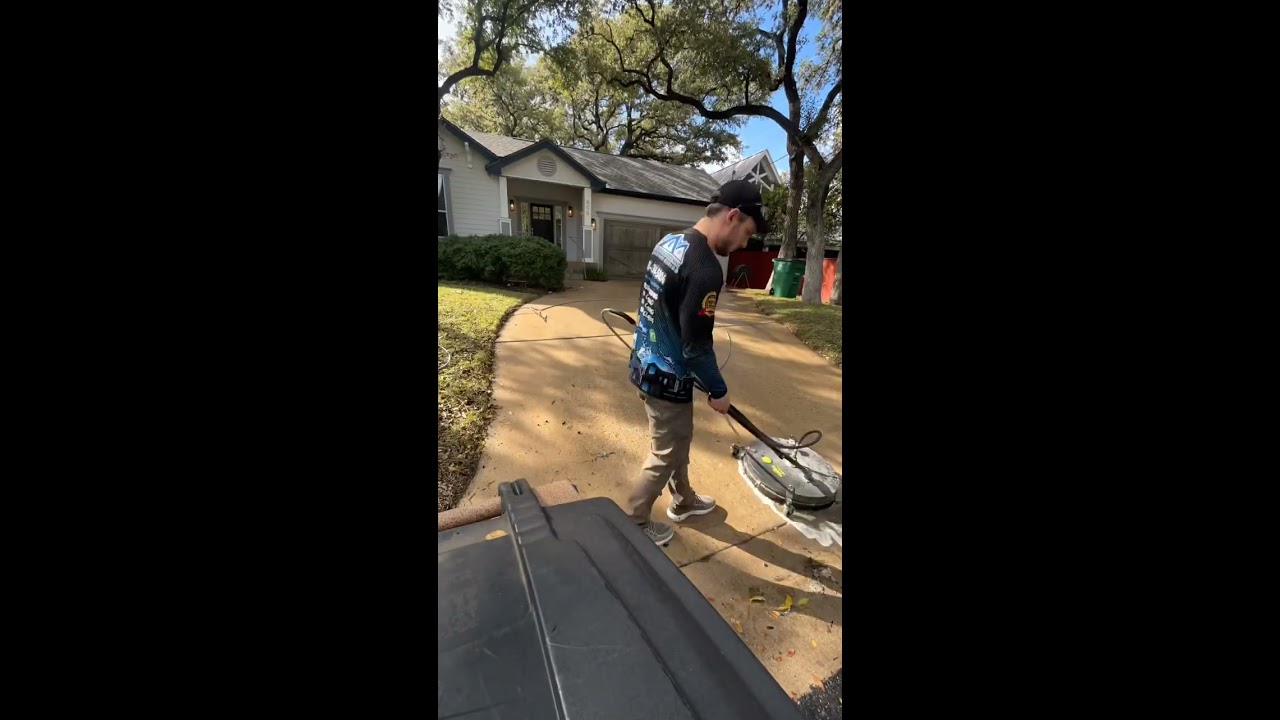
Holding a nozzle too close or using a narrow, concentrated jet can leave pale stripes or "zebra marks" across concrete and paving. These lines are permanent and show where the surface was cleaned unevenly or where the top layer was worn away. On concrete, the thin cement "cream" at the surface can be eroded, exposing the aggregate beneath and making the driveway look rough and patchy.
Loss of Jointing Sand and Mortar
Block paving and patio slabs rely on the sand or mortar between them to stay locked together. High-pressure water can blast this material out, leaving gaps. Without proper jointing, blocks can shift, weeds take hold quickly, and water can penetrate the sub-base, leading to sinking or movement over time.
Damage to Softer Stone
Natural stone such as sandstone, limestone and some types of Indian stone is far more porous and delicate than concrete. Aggressive washing can pit the surface, remove its natural texture, and encourage water absorption. This is especially relevant in the Salisbury area, where many older properties feature traditional stone paving and walling that deserves gentler treatment.
Cracks and Water Penetration
If a driveway already has hairline cracks or loose areas, concentrated water can force its way underneath and make the problem worse. During colder months, trapped moisture can then freeze and expand, widening the damage. Wiltshire winters can bring frost, so this is a genuine concern for surfaces that are not sealed or well maintained.
Which Surfaces Are Most at Risk?
Not all paving reacts the same way. Here is a general guide to how common surfaces behave under pressure washing:
- Concrete: Fairly durable, but prone to surface etching, especially if it is older or poorly laid.
- Block paving: Robust, but jointing sand is easily lost and must usually be replaced after cleaning.
- Tarmac and asphalt: Highly vulnerable. High pressure can lift the bitumen binder and loosen stones, so low pressure or alternative methods are advised.
- Natural stone (sandstone, limestone, slate): Delicate and porous, requiring low pressure and careful technique.
- Porcelain paving: Generally resilient, but grout and jointing still need protecting.
- Resin-bound and resin-bonded surfaces: Easily damaged by high pressure, which can dislodge stones from the surface.
- Gravel and permeable paving: Pressure washing can scatter material and clog or disturb the structure.
Factors That Determine Whether Damage Occurs
Pressure Level
More pressure is not always better. Many driveway and patio surfaces clean perfectly well at moderate pressure, with the right technique https://remingtonwwei196.silverstonebrief.com/posts/how-to-clean-sandstone-paving-without-causing-surface-harm doing most of the work. Softer materials may need considerably less.
Nozzle Choice and Distance
A fan-shaped nozzle spreads the force across a wider area and is much safer than a pinpoint jet. Keeping a consistent distance from the surface, typically 20 to 30 centimetres depending on the material, helps prevent gouging and streaking. Rotary or "turbo" nozzles are very effective on tough stains but can easily etch surfaces if misused.
Age and Condition of the Surface
An older driveway with worn surfaces, failing joints or previous repairs is more likely to be damaged. A proper inspection beforehand helps identify weak spots that need extra care or repair first.
Operator Experience
Technique matters enormously. Steady, overlapping passes, consistent speed and awareness of how each surface responds all reduce the risk of marks. This is one of the main reasons many homeowners choose a professional rather than hiring or buying equipment.

Safer Cleaning Methods and Best Practice
Many professionals now favour a combination of approaches rather than relying on pressure alone. Soft washing uses low pressure along with appropriate cleaning solutions to break down algae, moss and lichen, which is ideal for delicate surfaces. Surface cleaning attachments, which use a spinning arm enclosed in a hood, deliver even results and greatly reduce streaking and splashing on large flat areas like driveways and patios.
If you plan to tackle the job yourself, follow these steps to lower the risk:
- Inspect the surface for cracks, loose blocks and missing joints before starting.
- Sweep away loose debris and test a small, inconspicuous area first.
- Choose a wide fan nozzle and begin at a lower pressure, increasing only if necessary.
- Keep the lance at a consistent distance and angle, working in smooth, overlapping strokes.
- Avoid directing water along joints or into cracks.
- Allow the surface to dry fully, then top up jointing sand or sealant as needed.
Aftercare: Protecting Your Paving
Cleaning exposes the surface to the elements, so aftercare is worth the effort. Re-sanding block paving with kiln-dried jointing sand or a polymeric sand stabilises the blocks and discourages weeds. Applying a quality sealer can help repel oil, algae and general grime, keeping your driveway cleaner for longer and making future maintenance easier. Always allow the surface to dry thoroughly before sealing, as trapped moisture can cause cloudiness.
Environmental and Local Considerations in Salisbury
Salisbury sits close to the River Avon and the River Nadder, and surface water runoff can find its way into drains and watercourses. Cleaning products, oil residues and loosened debris should not be allowed to wash into storm drains. Responsible contractors capture or manage wastewater where appropriate and use biodegradable, surface-safe products. If you live in a conservation area or own a listed property, which is common in and around the city centre, it is wise to check whether any restrictions apply to cleaning historic paving or stonework before work begins.
When to Call a Professional
It is worth hiring an experienced local cleaner if your paving is natural stone, your driveway is older or already damaged, or you are dealing with stubborn oil stains and heavy algae growth. A professional can assess the material, select the right equipment and pressure, and complete re-sanding or sealing afterwards. For large driveways, the right surface-cleaning equipment also delivers a more even finish than a typical domestic machine.
Final Thoughts
Pressure washing does not have to damage your driveway or paving, but it does require the right approach. Match the pressure and nozzle to the surface, check for weak points beforehand, protect the jointing, and consider gentler soft washing for delicate materials. With careful technique and proper aftercare, you can restore the look of your Salisbury driveway or patio and keep it looking good for years to come.
Salisbury Pressure Cleaning
Unit 6/44 Cheviot Rd, Salisbury South SA 5106
(08) 7282 0848